

-
-
packaging sushiABOUT DSLPACK
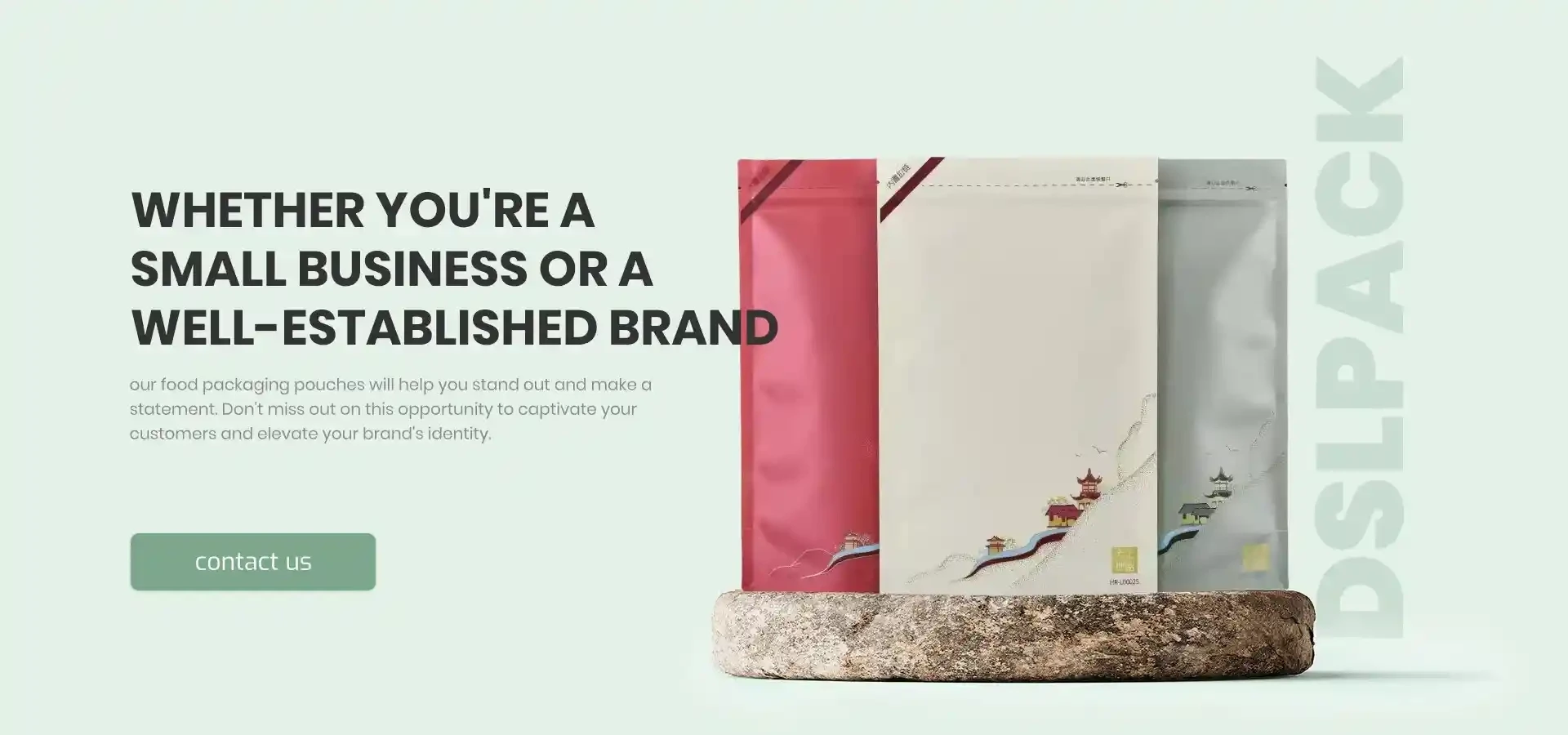
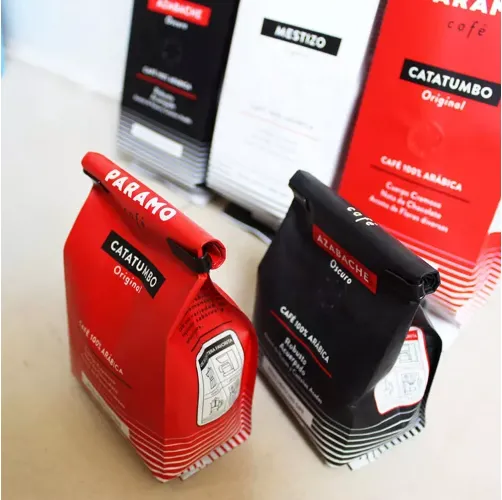
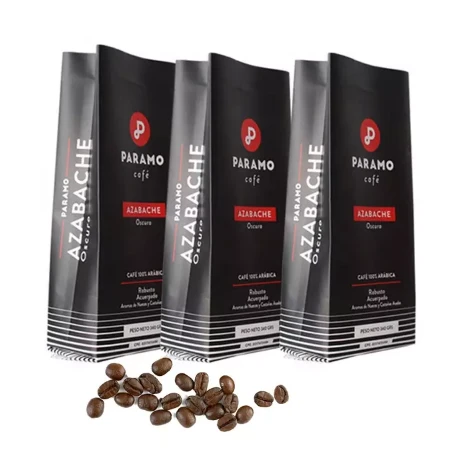
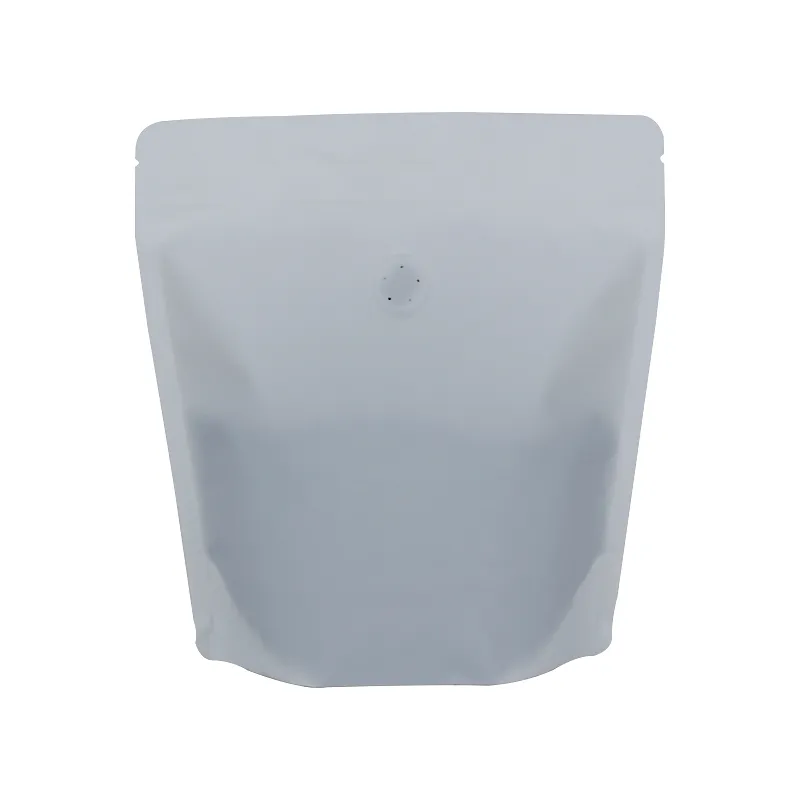
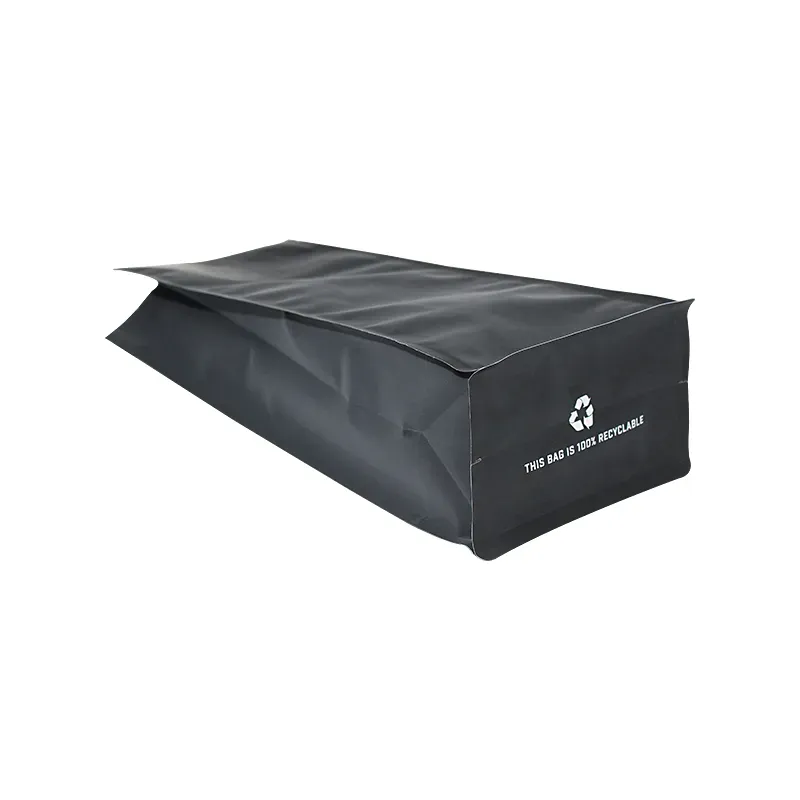
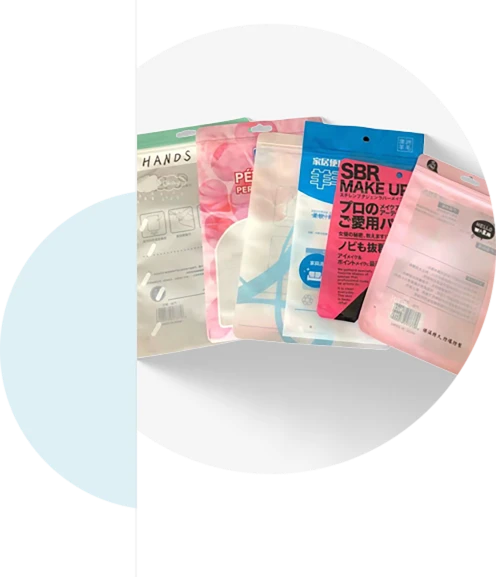
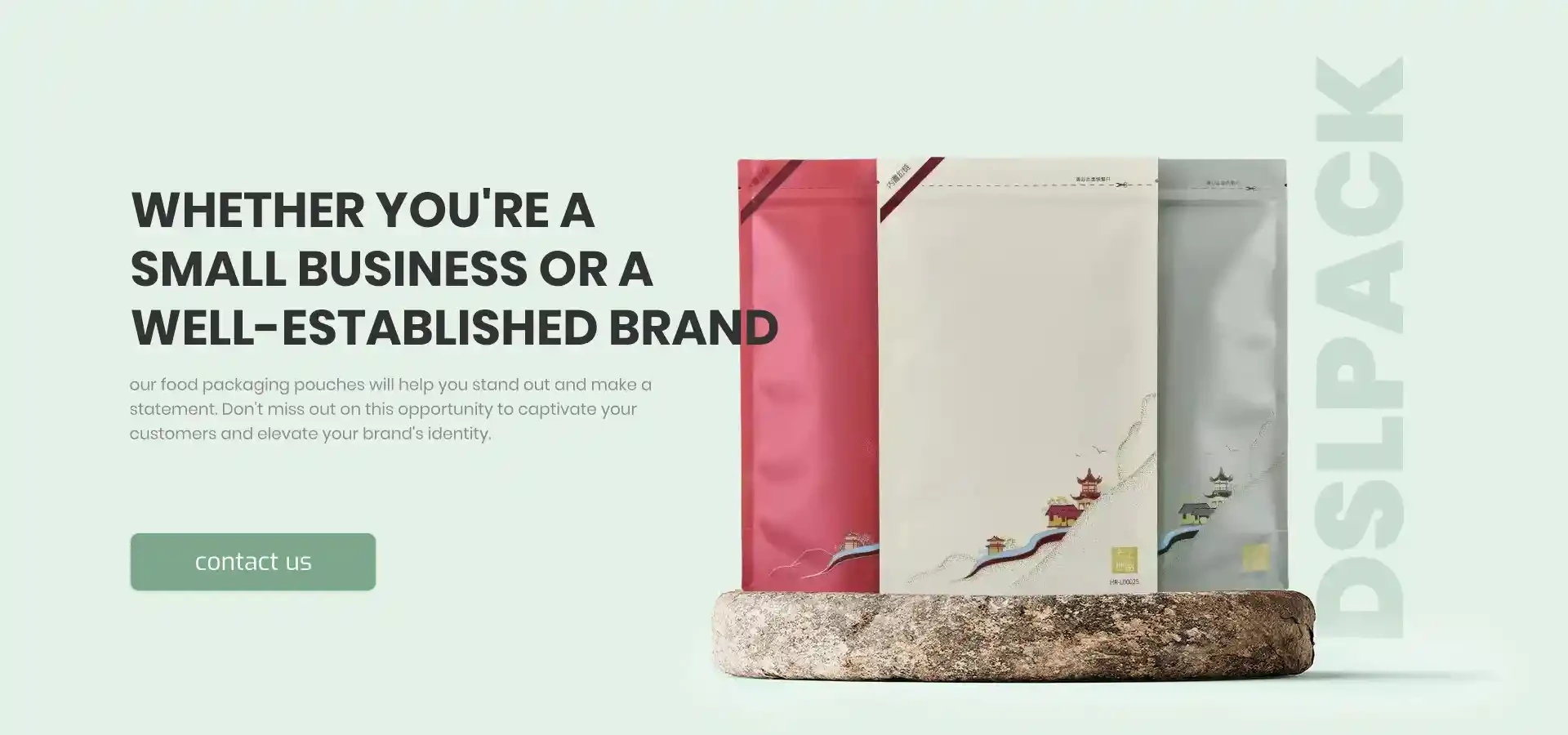
DSLPACK Established CO., LTD. Global Leader in Advanced Packaging Solutions Since 2005 ? 86-133 3649 8096 | ? 86-757-88811186 ✉️ enid@bc-pak.com ? No. 6 Hefu Road, Hengjiang Industrial Zone, Gaoming District, Foshan, Guangdong Province, China ? www.dslpack.com Modern types of food packaging have evolved dramatically to meet the demands of food safety, shelf life extension, and consumer convenience. The global food packaging market is projected to reach $413.8 billion by 2027, growing at a CAGR of 5.7% according to Statista research. With sustainability driving innovation, today's packaging solutions balance functionality with environmental responsibility. As consumer preferences shift toward resealable, portable, and transparent packaging, flexible solutions like stand-up pouches have gained significant market share. This comprehensive guide explores key types of food packaging , focusing especially on pouch variations that offer superior protection and branding opportunities. Featured Product: Tea/Snacks/Pet Food Stand Up Pouch Packaging Bag Item No.: 00095 Materials: MOPP/VMPET/PE/AL combinations Compliance: EU & FDA food-grade certified Special Features: Premium resealable zipper, excellent barrier properties, superior heat sealing performance ? View Product Details Fundamental Categories of Food Packaging Food packaging solutions generally fall into five primary categories, each with distinct characteristics and applications: Packaging Type Materials Oxygen Barrier (cm³/m²·day) Moisture Barrier (g/m²·day) Applications Stand-up Pouches PET/AL/PE, MOPP/VMPET/PE < 1.0 < 0.5 Snacks, coffee, pet food, powders Flat Pouches BOPP/LLDPE, PET/PE 30-50 1.5-3.0 Dried fruits, granola, instant foods Vacuum Bags PA/PE, PET/PE < 0.5 < 0.3 Meats, cheeses, smoked products Retort Pouches PET/AL/Nylon/PP < 0.3 < 0.2 Ready meals, sauces, baby food Bulk Resealable Bags LLDPE, Coex LLDPE 100-300 5-10 Cereals, rice, grains, frozen foods Detailed Analysis of Types of Pouches in Packaging Stand-Up Pouches: The Market Leader Stand-up pouches dominate the flexible packaging landscape due to their exceptional shelf presence and functional advantages. The global stand-up pouch market was valued at $14.7 billion in 2022 and is expected to grow at 6.3% CAGR through 2030 (Smithers Pira). Key features include: Bottom gusset for stability during display Premium resealable zippers extending product freshness Multi-layer barrier films protecting against oxygen, moisture, and UV light High-quality printing surfaces for brand differentiation DSLPACK's innovative stand-up pouches incorporate advanced materials like metallized films that provide oxygen transmission rates below 1 cc/m²/day. This exceeds industry standards for oxygen-sensitive products like coffee and nuts. Retort Pouches: Sterilization Revolution Retort pouches represent a revolutionary approach to shelf-stable packaging. These specialized pouches can withstand sterilization temperatures up to 135°C (275°F), eliminating the need for metal cans or glass jars. According to the Flexible Packaging Association, retort pouches offer: 50% reduction in packaging weight versus cans 40-50% shorter processing times Superior retention of food nutrients and flavor compounds Space-efficient storage and transportation DSLPACK's retort solutions use aluminum foil as a core barrier layer with food-grade polypropylene sealing surfaces to ensure product integrity during the demanding retort process. Shaped Pouches: Customized Brand Experiences Custom-shaped pouches offer unique brand differentiation opportunities. These include: Doy-style pouches with integrated headers for hanging displays Gusseted corner designs for controlled product dispensing Spouted pouches with precision fitments for liquids Asymmetric designs creating distinctive silhouettes These specialized designs help brands achieve 27% higher consumer recall according to Packaging Digest research. DSLPACK offers custom tooling capabilities to create uniquely shaped pouches optimized for specific product characteristics and market positioning. Types of Packaging Bags : Functional Innovations Beyond pouches, food packaging utilizes several specialized bag configurations: Pinch-Bottom Bags : Ideal for powders and granular products with secure bottom seals Wicket Bags : Designed for high-speed filling operations in automated environments Flexible Intermediate Bulk Containers (FIBCs) : For commercial-scale ingredient storage (500-2000kg capacity) Laminated Tube Bags : Specialty packaging for viscous products like purees and pastes The development of bulk resealable bags represents a significant advancement for both retail and commercial applications. These heavy-duty solutions incorporate: Double-zipper tracks exceeding 15N/mm peel strength Puncture-resistant films (≥100μm) suitable for frozen products Press-to-close zippers enabling one-handed operation Laser-scored tear notches for clean opening Sustainability in Food Packaging The shift toward circular economy principles has transformed packaging material development. Current innovations include: Mono-material structures : Replacing complex laminates with single polymer solutions for improved recyclability Post-consumer recycled (PCR) content : FDA-approved recycled resins in food-contact layers Bio-based polymers : PLA and PHA alternatives with reduced carbon footprint Water-based coatings : Eliminating solvent-based barrier treatments DSLPACK complies with the Ellen MacArthur Foundation's New Plastics Economy initiative, with 42% of our product range now certified as recyclable through existing infrastructure. Our sustainability roadmap targets 65% recyclable materials by 2025 and carbon-neutral manufacturing processes by 2030. Industry-Leading Solutions from DSLPACK As a certified types of food packaging manufacturer, DSLPACK implements rigorous quality management systems covering: ISO 22000:2018 certification for food safety management GMP compliance in Class 100,000 clean rooms FDA 21 CFR and EU Regulation 10/2011 material compliance Third-party migration testing for heavy metals and additives Our production capabilities support complex different types of pouch packaging formats including: Zippered stand-up pouches with custom print finishes Retort packaging validated for sterilization protocols High-barrier vacuum bags with puncture resistance Industry-specific solutions for pet food, coffee, snacks Food Packaging Technical FAQ Q1: What material combinations provide the best oxygen barrier for coffee packaging? Premium coffee packaging requires barrier properties below 1 cc/m²/day for oxygen transmission. Our recommended structure combines metallized PET film (12μm) with an aluminum foil layer (7μm) and food-grade LDPE sealant (70μm), achieving <0.7 cc/m²/day OTR and <0.3 g/m²/day WVTR. This combination maintains CO 2 levels while preventing flavor scalping. Q2: What are the key differences between cold seal and hot seal packaging? Cold seal technology uses pressure-sensitive adhesives activated at room temperature, while hot seal requires thermal energy to create hermetic seals. Cold seal offers distinct advantages for heat-sensitive products like chocolate and fresh produce with sealing speeds up to 400 bags/minute. However, hot seal provides stronger seals (typically 25-45 N/15mm peel strength) for heavier products and modified atmosphere packaging applications. Q3: How do retort pouches achieve commercial sterility? Retort pouches achieve sterility through precisely controlled time-temperature processing (typically 121°C for 30-45 minutes). The laminated structure combines PET for mechanical strength (12-15μm), aluminum foil for barrier properties (6-9μm), and food-grade PP (70-100μm) that withstands the thermal process while maintaining seal integrity. Critical parameters include seal strength ≥40 N/15mm and delamination resistance ≥4 N/15mm after processing. Q4: What standards govern zipper performance in resealable packaging? ASTM F2094 specifies performance requirements for peelable and permanent seals. Premium resealable zippers must achieve ≥5,000 opening cycles without seal failure at closure forces between 8-15 lbs. Interlocking elements require dimensional accuracy within ±0.05mm to ensure consistent closing force across production runs. We recommend zippers with slide guards to prevent product contamination during multiple openings. Q5: How does packaging prevent freezer burn in frozen foods? Effective freezer protection requires multilayer structures combining moisture barriers (WVTR ≤0.5 g/m²/day) and puncture-resistant sealants. Our preferred frozen food packaging uses coextruded films with ionomer sealants having -50°C brittle point. Critical factors include: Material crystallinity maintaining flexibility at low temperatures Seal initiation temperatures below the product's freeze point Migration-resistant additives preventing plasticizer crystallization Q6: What are the safety considerations for food packaging inks? Regulatory compliance requires compliance with EuPIA exclusion policies and FDA 21 CFR §170-199. Key considerations include: Migration limits below 10ppb for heavy metals (Cd, Pb, Hg) Photoinitiator selection avoiding benzophenone derivatives Ink adhesion exceeding 90% after sterilization cycles Low-odor formulations validated by GC-MS analysis Q7: How do high-barrier films impact shelf life calculations? Barrier properties directly correlate with shelf life through the formula: Shelf Life = (Package Volume × Allowable Quality Loss) / (OTR × pO 2 difference + WVTR × ΔH 2 O). Our 3-layer metallized PET structures (OTR 0.8 cc/m²/day, WVTR 0.3 g/m²/day) can extend coffee shelf life from 180 to 300 days compared to standard laminates (OTR 3.5 cc/m²/day). Industry Recognition & Certifications "The evolution of pouch packaging has fundamentally transformed product preservation and distribution logistics. Modern barrier films effectively manage gas transmission while resealable features align with consumer convenience demands." - Dr. Elena Rodriguez, Packaging Technology, Vol. 38 (2022) Reference: Advanced Barrier Solutions for Food Preservation Packaging "Retort flexible packaging represents one of the most significant advancements in food processing technology since canning, reducing energy requirements by 40% while maintaining sterility." - International Journal of Food Science, 2021 Reference: Sustainability Analysis of Flexible Retort Packaging Systems DSLPACK is proud to be recognized by the Flexible Packaging Association for innovation in sustainable material science. Our commitment to technological advancement positions us at the forefront of developing next-generation types of food packaging solutions that balance performance with environmental responsibility.
-

-
 convert 7 16 to millimeters2026-06-15 22:36Converting 7.2 Inches to Millimeters Understanding the Process When we deal with measurements, particularly in the context of construction, sewing, or even scientific experiments, understanding how to convert between different units is crucial. One common conversion that often comes up is converting inches to millimeters. In this article, we will focus specifically on converting 7.2 inches to mill
 -
 bracelet box packaging2026-06-15 21:21The Allure of Bracelet Box Packaging A Perfect Presentation In the world of jewelry, presentation is almost as important as the piece itself. Bracelet box packaging plays a crucial role in making a lasting impression, enhancing the perceived value of the jewelry inside, and providing a memorable unboxing experience. This article explores the intricacies of bracelet box packaging, discussing its de
 -
 constant heat sealer2026-06-15 21:04Understanding Constant Heat Sealers A Comprehensive Guide In the modern packaging industry, efficient sealing methods play a paramount role in ensuring product integrity and longevity. Among various sealing technologies, constant heat sealers stand out for their effectiveness and reliability. This article explores the concept of constant heat sealers, their applications, advantages, and considerat
- No. 6 Hefu Road, Hengjiang Industrial Zone, Gaoming District, Foshan, Guangdong Province,China
- Tel: 86-133 3649 8096
- Email:enid@bc-pak.com
-


